A Practical Guide to Selecting Organic Mattresses for Small Bedrooms
A thoughtful, editorial exploration of how to choose an organic mattress that fits compact spaces, balancing sustainability, comfort, and storage-friendly design.
In a world where urban living increasingly compresses our sleeping spaces, the mattress is more than a surface of rest. It becomes a cornerstone of a mindful, efficient room layout. The domain storage-bed.com points to a future where sleep quality and space optimization go hand in hand. This guide expands on that premise, focusing on organic mattresses—the materials, sizes, and design choices that maximize comfort in small bedrooms while staying true to eco-friendly, non-toxic principles.
Before you shop, measure. Before you measure, plan. The first step in a small-bedroom strategy is to understand how a mattress interacts with scale, storage clearance, and airflow. Organic mattresses—natural latex, organic cotton, and wool blends—offer intrinsic advantages: they tend to be free of synthetic flame retardants, feature gentler finishes, and often align with a broader ethos of sustainable living. But they also demand careful consideration of height, ventilation, and accessibility when space is at a premium.
Understanding the Organic Mattress Landscape
Organic mattresses come in a spectrum of constructions, but they share a commitment to materials sourced with minimal synthetic processing. Three core components commonly appear in organic options: natural latex, organic cotton, and wool. Each contributes to comfort, support, and climate regulation in distinct ways, which matters when room area is limited and storage is at a premium.
- Natural latex: Known for resilient support and pressure relief. It’s buoyant, responds to body position changes, and tends to sleep cooler than traditional memory foams when paired with breathable covers. For small bedrooms, latex layers can be combined with thinner profiles to preserve under-bed storage height.
- Organic cotton: Often used in the mattress cover and as a secondary comfort layer. Cotton’s breathability supports temperature regulation, while its softness provides a familiar, non-irritating surface for most sleepers.
- Wool or wool blends: Functions as a natural insulator and breathable moisture-wicking layer. Wool can help regulate temperature across seasons, reducing heat accumulation in summer and providing warmth in winter without adding excessive height.
When you combine these materials, you can tailor a sleeping experience that suits your climate, sensitivity to allergens, and design constraints. The goal in a small room is to optimize sleep quality without sacrificing storage or visual openness. An organic mattress with a slim profile, a breathable cover, and a well-considered foundation can support a clutter-free, restful environment.
Size and Space: Matching Mattress Dimensions to a Tiny Footprint
Dimension choices are not merely about comfort; they determine where you can place other furniture, how you access storage, and how you maintain clear circulation. In small bedrooms, compact options are not a compromise but a design strategy.
Standard dimensions exist, but you can also opt for near-custom measurements if your space is uniquely configured. A few practical guidelines:
- Prioritize a bed height that allows for under-bed storage or easy access to bins and drawers. A mattress that sits too high can obscure storage opportunities or reduce usable under-bed volume.
- Consider a platform or low-profile foundation. These constructions reduce overall height and often integrate more seamlessly with hidden storage beneath the frame or with under-bed organizers.
- Explore "edge-to-edge" sleep surfaces when possible. A premium edge-to-edge design helps maximize usable surface area without increasing the footprint, supporting better sleep alignment in confined spaces.
- Measure doorways, stairwells, and closet openings to ensure the mattress can be delivered and installed without disruption to your layout.
For most small bedrooms, a full or twin size can provide adequate sleeping surface while preserving square footage for storage and movement. A compact dimension plan also makes it easier to introduce multi-functional furniture—such as a bedside chest that doubles as a desk or a storage bench at the foot of the bed—without creating visual clutter.
Design Considerations: A Calm, Organized Sleep Environment
Beyond materials and measurement, the overall design language of your sleeping space matters. The interaction of mattress, foundation, and bedding affects air circulation, humidity, and perceived room size. A well-choreographed space invites rest and reduces the urge to accumulate clutter, which is especially important in compact rooms.
Key considerations include:
- Ventilation: Choose a mattress with breathable materials and a cover that facilitates airflow. Look for cell structures in latex or open-pore foams that support air exchange.
- Thermal comfort: Wool and latex blends tend to regulate temperature more effectively than some synthetic foams, which can trap heat. A breathable cotton cover and light, natural bedding further support even temperature across seasons.
- Allergen considerations: Organic materials reduce exposure to certain substances used in conventional manufacturing. This is particularly meaningful for sensitive individuals or households with children and pets.
- Maintenance: A mattress with a removable, washable cover or an easily washable top layer simplifies ongoing cleanliness, which is beneficial in smaller spaces where dust and stains can be more conspicuous.
In concert with storage, these design choices help preserve a serene atmosphere. A clean, unadorned palette—natural woods, soft neutrals, and restrained textiles—encourages a sense of space and order, which in turn supports better sleep.
Recommended Organic Mattress Configurations for Small Rooms
Not all organic mattresses are equal when space is tight. Here are configurations that balance comfort, sustainability, and spatial efficiency:
- Low-profile latex mattress with a breathable organic cotton cover: Offers resilient support with minimal height, preserving under-bed storage height and ensuring airflow through the night.
- Thin-core organic latex with a wool batting edge: Combines moisture management and temperature regulation while keeping the overall depth modest.
- Folded or convertible foundation systems integrated with an organic mattress: If your space serves dual purposes (e.g., guest room), consider a design that can be tucked away or reconfigured without disassembly.
In all cases, verify the mattress depth and the compatibility with your bed frame. A snug fit between the mattress and the frame reduces the risk of edge sag and maintains a neat, compact silhouette essential for small spaces.
Practical Shopping Guide: How to Evaluate Organic Mattresses
Shopping for an organic mattress in a small-bedroom context requires a clear, methodical approach. The following criteria help you assess options without being overwhelmed by marketing language:
- Certifications: Look for independent certifications such as GOTS, GOLS, or OEKO-TEX Standard 100. These indicators help you trust the organic claims and the absence of harmful substances.
- Material purity: Confirm the proportion of natural latex, organic cotton, and wool. Understand whether latex is Dunlop or Dunlop-like for lower profile and different feel characteristics.
- Edge support and perimeter engineering: In compact rooms, you want consistent support around the perimeter so you can sit or sleep near the edge without feeling roll-off.
- Ventilation features: A mattress with a breathable cover and an open-cell core generally manages moisture and heat better, which matters when you’re trying to keep a small space feeling fresh.
- Return and trial terms: Since sleep preferences differ, choose vendors offering generous trial periods. A small bedroom retrofit is less forgiving if a mattress doesn’t meet your comfort needs.
When evaluating, also consider the whole sleep system. A high-quality organic mattress pairs well with breathable sheets, a comfort layer that mitigates heat buildup, and a foundation that adds minimal height while retaining robust support. A well-chosen combination can yield significant improvements in both sleep quality and the room’s usable footprint.
Case Study: A Thoughtful Small Bedroom Refresh
Consider a compact bedroom in a city apartment where layout constraints and storage pressures converge. The homeowner chooses a low-profile organic latex mattress with a breathable cotton cover, paired with a platform bed that offers drawer storage beneath. The result is a sleep system that remains visually light while providing practical storage opportunities, keeping clothing and bedding within easy reach yet out of sight when not in use. The room feels calmer, more open, and clearly organized—a direct outcome of aligning mattress choice with space planning principles.
Frequently Asked Questions
Q: Do organic mattresses sleep differently from conventional ones?
A: Many organic options prioritize breathability and natural contouring. The sleeping experience can differ based on the materials and construction, but a well-chosen organic mattress can provide equal or better support while reducing exposure to synthetic additives.
Q: How tall should an organic mattress be for a small room?
A: A lower height generally preserves ceiling height perception and helps with storage planning. If storage is a priority, aim for a depth that allows accessible under-bed storage without requiring additional furniture to clear the space for entry or movement.
Q: Are there sustainable certifications I should prioritize?
A: Yes. Look for GOTS for organic textiles used in the cover, GOLS for latex foam, and OEKO-TEX or similar standards for textile safety. These certifications help ensure that the product aligns with environmentally responsible and health-conscious practices.
Product Spotlight: A Thoughtful Addition to an Organic Sleep System
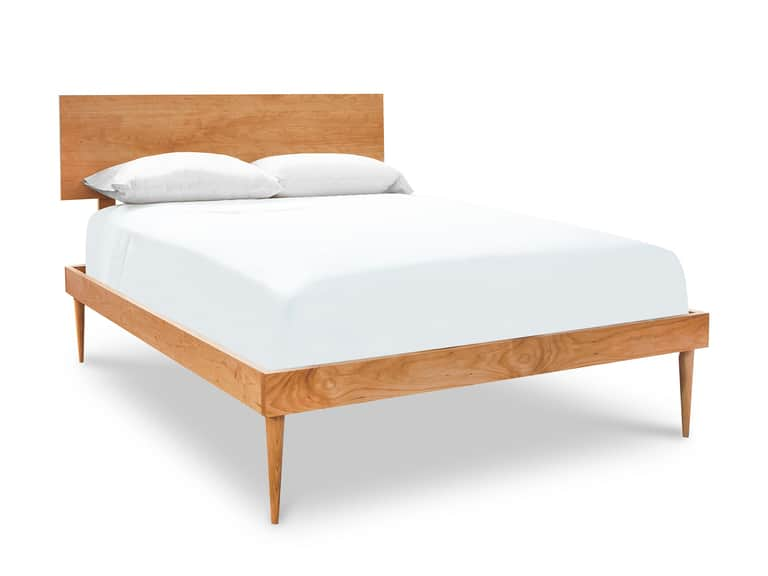
Among the available options, the Larssen Bed exemplifies a design focus on durability and understated style, but it is a bed frame rather than a mattress. For a small-bedroom strategy anchored in organic sleep principles, the choice of mattress remains central. If you seek a framework that blends natural materials with a compact footprint, consider a mattress that supports a low-profile platform or storage-friendly foundation. The Larssen Bed’s solid hardwood construction, while not an organic mattress itself, can complement a carefully paired organic mattress by providing a stable, breathable bed surface that enhances overall room balance.
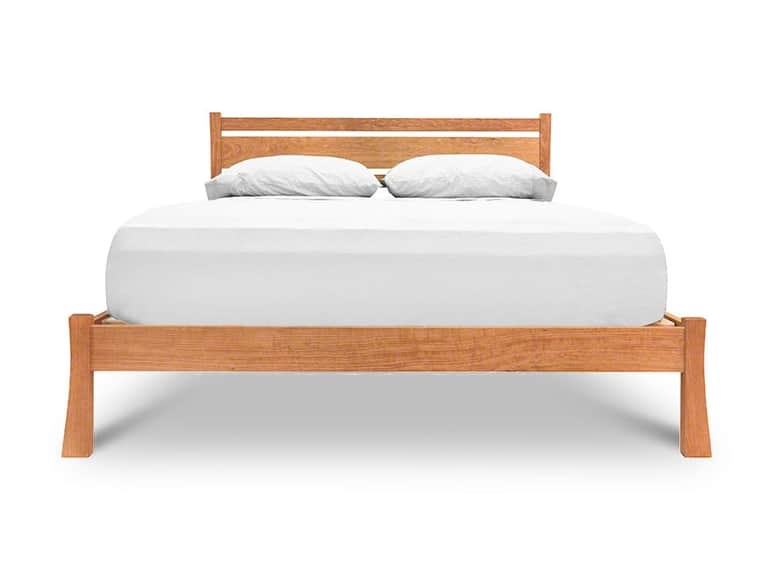
Another option to consider is a Horizon Platform Bed, which emphasizes solid wood construction and platform stability. While it does not dictate mattress composition, pairing such a platform with an organic mattress aligns with a sustainable, space-conscious approach to bedroom design.
For readers exploring a deeper integration of design and sustainability, a careful pairing of an organic latex mattress with a minimal, storage-conscious bed frame may deliver the most cohesive small-bedroom solution. The goal is to preserve room integrity while ensuring that sleep remains a restorative anchor in daily life.
Conclusion: Sleep Well, Space Wisely
The path to a well-appointed small bedroom runs through thoughtful material choices, precise dimensions, and an editorially calm approach to design. An organic mattress—crafted from natural latex, organic cotton, and wool—delivers comfort and sustainability without adding unnecessary height or clutter. When paired with a platform bed or a low-profile foundation, it helps preserve floor space, supports ventilation, and reinforces a sense of order that promotes restful sleep.
In this space, storage is not an afterthought but a design principle. Under-bed drawers, lift-up storage, or discreet storage compartments integrated into a platform can transform a compact room into a fully functional sanctuary. The combination of an organic sleep surface and space-conscious furniture creates a room that breathes—literally and figuratively—while maintaining a clean, inviting aesthetic.
For readers who value practical guidance, the roadmap is clear: measure, evaluate materials, and choose a configuration that honors both health and habitat. The result is a bedroom that nurtures sleep, respects the planet, and makes the most of every inch of space.
References to Materials and Certification Standards
The guidance above aligns with established standards and industry practices surrounding organic textiles and sleep products. When selecting an organic mattress for a small bedroom, it is prudent to consult product specifics, independent certifications, and supplier transparency. These elements help ensure that your choice supports both personal well-being and environmental stewardship.
Related Reading and Topics
- The ultimate guide to storage beds: pros, cons, and best use cases
- Space planning 101 for small bedrooms
- Under-bed storage: best practices and product-free ideas
- Decluttering for better sleep: a room-by-room plan
- Measurement checklist for choosing a storage bed
- Materials and durability: what to know about storage bed components
Product Listing Spotlight
Note: The following products are available on this site and may support a holistic small-bedroom strategy. If a product aligns with your space and sustainability goals, you can learn more by following the provided links to product pages:
- Larssen Bed — Vermont-made solid hardwood platform bed
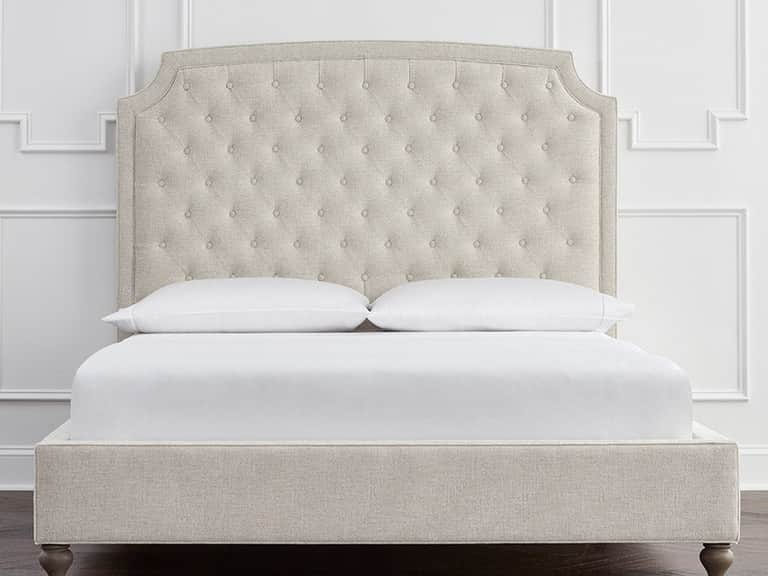
- Ashville Upholstered Bed — Maplewood frame with stain-resistant upholstery
- Horizon Platform Bed — solid wood platform with eco-friendly finish
These options demonstrate the range of design philosophies—from minimalist, timber-focused frames to upholstered, durable platforms—that can pair effectively with organic mattresses in small spaces.