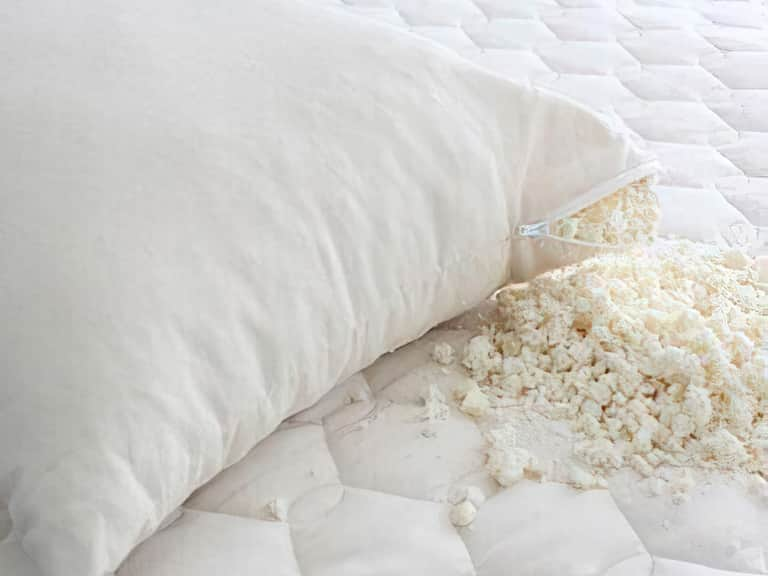
Latex is a natural material valued for its durability, resilience, and comfort, making it a popular choice for bedding products. In the context of bedding, latex can be used in mattresses, toppers, and pillows to provide steady support and conforming pressure relief. Its open-cell structure promotes airflow, helping regulate temperature for a comfortable night’s rest.
Understanding latex types, such as Dunlop and Talalay, helps explain performance differences. Dunlop latex offers a denser, supportive feel with long-lasting durability, while Talalay latex tends to be more consistent and plush. Both variants can be formulated in blends with other fibers to optimize zoning support and motion isolation.
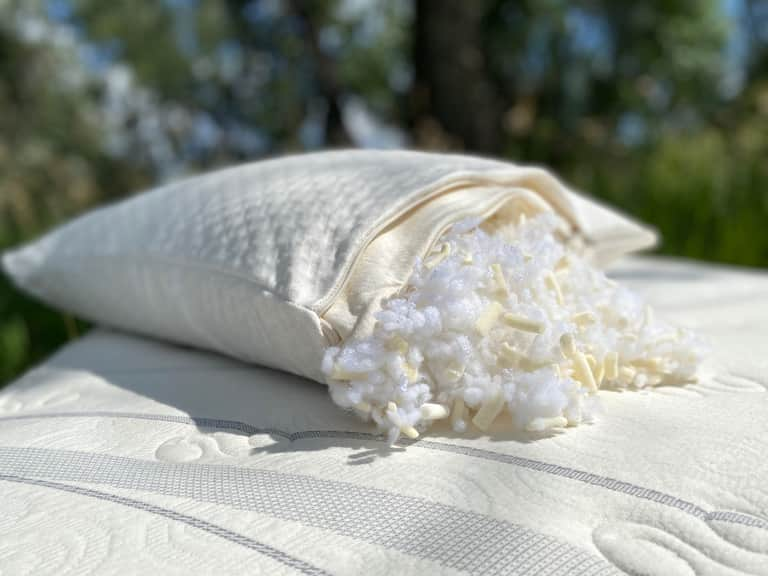
In pillow design, latex blends like the Suite Sleep Shredded Latex-Tencel™ Blend Pillow illustrate how shredded latex provides adaptable loft and conforming support. The inclusion of Tencel™ fibers enhances moisture wicking and softness, contributing to a cooler, more breathable pillow surface and improved comfort for diverse sleeping positions.
When evaluating latex bedding components, consider firmness options, height, and cover materials. A breathable cover and core that balances give and support can reduce pressure points on the shoulders and hips, promoting spinal alignment. Properly chosen latex products can support restorative sleep and minimize disturbances from partner movement.
Keywords such as latex, bedding, pillows, sheets, organic mattresses, and related materials reflect the broader context of sleep ecosystems. The integration of latex with natural or engineered fabrics offers versatile solutions for comfort, warmth, and hygiene, while contributing to a durable, age-resistant bedding setup suitable for varied sleep preferences.
 Bedding